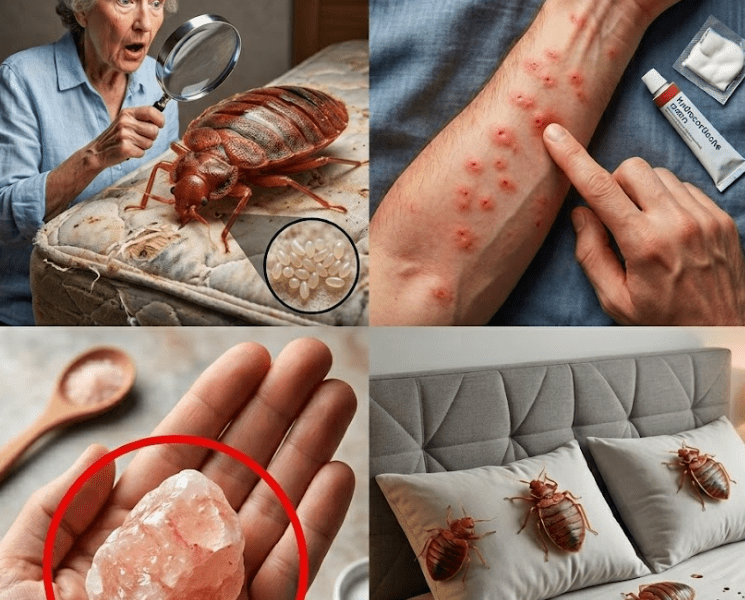

You step outside with your coffee, breathing in that fresh, green morning smell. The basil looks happy, the tomatoes are blushing, and then—there it is: a tiny reddish-brown bug on a leaf, as if it owns the place. Your stomach drops. Bedbugs? In the garden?

You’ve seen the viral fix: “Just sprinkle salt and they’ll dehydrate.” Quick. Cheap. Satisfying. But what if that sprinkle is the one thing that quietly poisons your soil while the real pest keeps multiplying?
Before you grab the salt shaker, let’s do something smarter—because the next step you take can either protect your garden for years… or set you back for seasons.
Do Bedbugs Even Live in Gardens?

Here’s the uncomfortable truth: in most cases, the “bedbugs” people see outdoors aren’t bedbugs at all. That one sentence can save you time, money, and a lot of unnecessary panic.
The common bedbug (Cimex lectularius) is built for indoor life: stable temperatures, darkness, and easy access to a host. Outdoors, they struggle with sunlight, temperature swings, and the lack of a predictable blood meal.
So what are those reddish-brown “lookalikes” in the yard? Often, they’re harmless imposters: boxelder bugs, bat bugs, swallow bugs, stink bug nymphs, or other small insects that feel like bedbugs when you’re already worried. And once fear kicks in, every tiny crawler looks guilty.
But here’s the hook: the fastest way to win isn’t spraying harder—it’s identifying correctly. And the moment you do, everything else becomes easier.
The Panic Trap: Why Misidentification Leads to Bad Decisions

When people are scared, they reach for “sure things.” Salt feels like a sure thing because it’s familiar and it’s dramatic—everyone has seen salt “melt” a slug.
But garden problems rarely reward dramatic moves. They reward accurate ones. If you treat the wrong insect, you can wipe out helpful predators, stress your plants, and still leave the real issue untouched.
Try this quick “sanity check” before any remedy: take a close-up photo and zoom in. Does it have wings? Is the body long and narrow instead of flat and oval? Does it move quickly and fly when disturbed? Those clues often scream “not a bedbug.”
And if you’re thinking, “Okay, but what if it is a bedbug?”—good. Because the next part matters even more.
The Salt Myth: Why It Fails (And Why Your Soil Pays the Price)

Salt works on slugs and snails because they’re soft-bodied and exposed. Salt draws water out of them quickly. That’s the entire trick.
Bedbugs (and most “bedbug-like” insects) are different. They have a tough outer layer that helps prevent water loss. Salt sprinkled on a surface usually doesn’t do much besides sit there like gritty confetti.
Even worse, salt doesn’t target what really keeps an infestation alive: hidden eggs in cracks, seams, and sheltered areas. So you might “feel” like you treated something… while the population quietly continues.
And then there’s the real cost: soil salinity. Excess salt can burn roots, reduce water uptake, and interfere with nutrient absorption. Your plants can look thirsty even when the soil is damp—because salt changes how water moves.
So the myth doesn’t just fail. It can leave you with fewer bugs and weaker plants… which is a lousy trade. But there’s a smarter path—one that feels just as satisfying.
The 60-Second Reality Check: What to Do Before Any Treatment

If you only remember one section, make it this one. Because it prevents overreaction and protects your garden’s “good guys.”
First, decide where you’re actually seeing the insects. On plant leaves? Around patio cushions? Under pots? Inside a shed? Location tells the story.
Next, ask yourself a simple question: are you getting unexplained bites after spending time outside? True bedbug concerns usually connect to human contact and sheltered items (cushions, outdoor furniture seams, storage bins).
Finally, isolate the suspected items instead of treating the entire garden. A single cushion or planter can be quarantined quickly—and that one move can stop a small issue from becoming a weekend-long panic spiral.
Now for the part you came for: what actually works—and why it feels like you’re finally in control.
9 “Wins” You Get When You Stop Using Salt (Countdown)
These aren’t “miracle benefits.” They’re real advantages that come from switching from viral hacks to evidence-based garden care. And the last one can change how you handle every pest problem from here on out.
9) You avoid accidental plant stress
Linda, 58, sprinkled salt around her patio planters after spotting “bedbugs” near the mint. Within days, the leaves looked tired and edges browned. Later, she learned the bugs were boxelder nymphs—and the salt was the real culprit.
When you skip salt, you reduce the chance of root burn and nutrient lockout. And that means your plants stay resilient while you troubleshoot. But wait—there’s a faster win coming.
8) You stop treating the symptom and start treating the source
Salt is a surface reaction. Real control is source control: seams, cracks, sheltered zones, and the hidden “nursery” spots pests love.
Once you start thinking in sources, you don’t just chase bugs—you interrupt their life cycle. And that’s where the game flips.
7) You protect beneficial insects that quietly defend your garden
Many outdoor insects are allies: predators, pollinators, and decomposers. Broad, frantic treatments can disrupt them.
When you use targeted methods, you keep the ecosystem working for you. And your garden becomes less inviting to pests over time. The next win is even more practical.
6) You get methods that work in the real world, not just in comments sections
Salt looks good on camera. But it’s unreliable on mixed outdoor surfaces, damp soil, and sheltered crevices.
Better tools work across conditions and don’t depend on a perfectly dry, perfectly exposed bug. Speaking of tools, here’s one you’ll recognize immediately.
5) You gain a “no-guessing” approach for furniture and outdoor items
Marcus, 62, found small brown bugs near outdoor cushions and panicked. Instead of salting the deck, he bagged the cushions in black plastic and left them in full sun on a hot day. The heat did the heavy lifting.
Whether it’s cushions, garden gloves, or storage bins, controlled heat can be a powerful option. But the next win is the one many people overlook.
4) You reduce the chance of repeating the same problem next month
Quick fixes often create quick repeats. Better methods include follow-up steps: rechecking, reapplying after rain, and sealing hiding places.
When you treat with a plan, you don’t just “knock down” bugs—you prevent the return. Now let’s talk about the most misunderstood tool of all.
3) You can use “mechanical control” instead of harsh chemicals
Certain strategies don’t rely on poison at all: vacuuming seams, steaming cracks, and using physical powders or barriers.
These methods can be especially appealing if you’re protecting pets, grandchildren, or edible plants. And the next win is where the momentum builds.
2) You get clarity—because identification becomes part of the routine
Once you begin with ID, you make fewer emotional decisions. You become the person who says, “Let me check what this actually is,” instead of “I need to kill everything immediately.”
That mindset alone can save your soil, your budget, and your weekends. And now, the final win.
1) You build a repeatable “pest-playbook” you can use forever
When you stop chasing hacks, you develop a simple system: identify, isolate, treat, recheck, prevent. That system applies to more than “bedbugs”—it works for ants, mites, aphids, and mystery crawlers too.
And once you have a system, you stop feeling helpless. You start feeling capable. Ready for the exact solutions that fit that playbook?
What Actually Works: Safer, Proven Strategies You Can Use
Below are practical options gardeners commonly use because they’re targeted and don’t punish your soil “just in case.” Use them based on where the problem is happening.
Diatomaceous earth (DE): a physical approach, not a chemical gamble
Food-grade diatomaceous earth is often used as a dry powder barrier. It can help with crawling insects because it damages the outer surface as they pass through, leading to gradual moisture loss.
Apply a thin, barely visible layer in cracks, seams, and sheltered paths. Avoid dust clouds, keep it dry, and reapply after rain. But don’t treat your entire garden like a crime scene—targeting is the secret.
Heat and steam: the “no-residue” option
Heat is one of the most reliable tools for bedbug-related concerns on items. Bag suspect cushions or fabric items in black plastic and place them in direct sun on a hot day.
For cracks and seams, a handheld steamer can penetrate places sprays miss. It’s satisfying, fast, and doesn’t leave salt or chemical residue behind. But there’s one more tool that pairs beautifully with heat.
Vacuuming + sealing: the underrated duo
Use a vacuum (ideally with strong suction) on outdoor furniture seams, deck cracks, and around stored items. Immediately empty the canister into a sealed bag.
Then seal hiding places: caulk gaps, repair torn screens, reduce cluttered storage areas, and move wood piles away from high-traffic spots. This doesn’t just treat—it prevents.
Herb-scent deterrents: helpful, but not a magic shield
Strong scents like lavender, mint, thyme, and rosemary may help discourage certain pests in localized areas. They’re a nice supportive layer, especially around seating or storage zones.
But if you’re thinking, “Can I plant lavender and be done?”—you’re not alone. Consider herbs a “bonus,” not the backbone.
Quick Reference Tables
Table 1: Salt vs. Better Options (At a Glance)
| Option | How it works | Where it’s best | Biggest downside |
|---|---|---|---|
| Table salt | Increases salinity; may dehydrate some soft-bodied pests | Rarely appropriate for “bedbug” concerns | Can stress plants and soil |
| Diatomaceous earth (food-grade) | Physical damage to crawling insects | Dry cracks, seams, sheltered paths | Needs dry conditions; avoid inhalation |
| Heat (sun-bagging) | Raises temperature to lethal levels for sensitive pests on items | Cushions, fabric items, stored gear | Weather dependent |
| Steam | Heat penetrates crevices | Furniture seams, cracks | Requires careful handling |
| Vacuum + sealing | Removes insects; blocks hiding spots | Decks, sheds, furniture | Requires repeat checks |
Table 2: Use & Safety Basics
| Method | How to use it safely | Best practice | What to avoid |
|---|---|---|---|
| DE (food-grade) | Apply a thin layer; wear a mask if dusty | Reapply after rain | Thick piles; using it wet |
| Heat in black bags | Place items in sun; rotate for even heating | Isolate suspect items first | Leaving items unattended near kids/pets |
| Steam | Move slowly; focus on seams | Test a small area first | Steaming delicate finishes without testing |
| Vacuuming | Empty into sealed bag immediately | Repeat weekly during concern | Leaving debris in the vacuum |
| Sealing/decluttering | Close gaps; reduce hiding spots | Combine with inspection | Ignoring storage zones |
A Simple Action Plan You Can Follow Today
If you want a clear path without overthinking, use this sequence. It’s calm, practical, and surprisingly fast.
- Step 1: Identify first. Zoom photos, compare features, and note where you’re seeing the bugs.
- Step 2: Isolate second. Quarantine cushions, pots, or tools instead of treating everything.
- Step 3: Treat third. Choose one targeted method (heat/steam/DE/vacuum) based on location.
- Step 4: Recheck. Look again in 48 hours, then weekly for a month. Consistency beats intensity.
And if you’re wondering, “What if it’s too much?”—that’s a valid concern.
When to Call a Professional (Without Feeling Defeated)
If you’re seeing repeated insects on furniture, getting unexplained bites, or finding bugs in multiple sheltered zones, professional help may be worth it. Not because you failed—because specialists can identify accurately and use integrated methods that are hard to replicate with DIY tools alone.
The smartest gardeners aren’t the ones who DIY everything. They’re the ones who choose the right tool for the size of the problem. But there’s still one more thing you can do that dramatically improves your odds.
Conclusion: Protect Your Garden With Knowledge, Not Viral Hacks
Salt feels powerful because it’s simple. But in outdoor “bedbug” scares, it’s usually the wrong move: it doesn’t reliably solve the problem, and it can harm the very soil your garden depends on.
A better strategy is calmer and more effective: identify the insect, isolate the item, apply targeted tools like heat/steam/DE/vacuuming, and then prevent hiding spots from coming back.
If you want to turn this into a habit, do one thing today: take a close-up photo of the bug you saw and write down where you found it. That tiny note becomes your personal “detective file”—and it makes the next decision obvious.
Call to action: If this helped, share it with one neighbor or gardening friend. Viral myths spread fast—so should practical truth. And if you want, leave a comment on your site asking readers: “What bug did you mistake for a bedbug the first time?” You’ll be amazed how many people have the same story.
P.S. Here’s the surprising truth most people miss: in outdoor scares, the “bedbug” problem is often a storage problem—cushions, bins, seams, and clutter—not a garden-soil problem. Fix the hiding spots, and the panic usually disappears with them.
This article is for informational purposes only and does not replace professional medical advice — readers are encouraged to consult their healthcare provider for personalized guidance.