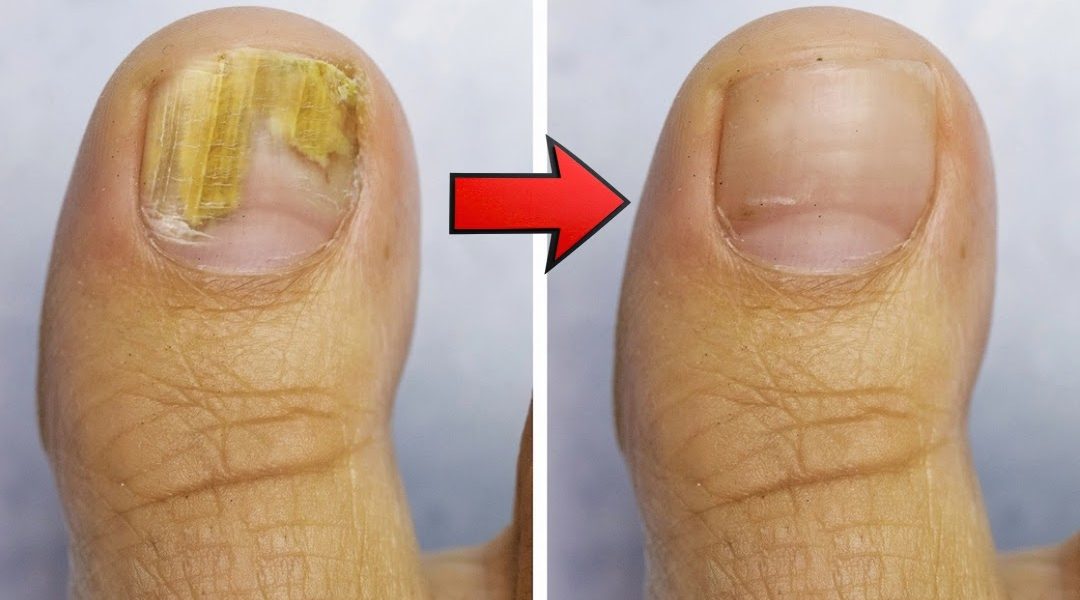


Nail fungus is a common condition that affects millions of people worldwide. It can cause nails to become yellow, thick, brittle, and deformed, often leading to discomfort and embarrassment. Fortunately, natural remedies such as vinegar and baking soda are widely used to support nail care and help create an environment less favorable for fungal growth.
In this article, you will learn how to use a simple homemade remedy with vinegar and baking soda, along with practical tips to maintain healthy nails naturally.
Understanding Nail Fungus
Nail fungus, medically known as onychomycosis, develops when fungi grow in warm and moist areas around the nails. It commonly affects toenails but can also appear on fingernails.
Common Symptoms of Nail Fungus
- Yellow, white, or brown discoloration
- Thickened nails
- Brittle or crumbly texture
- Distorted nail shape
- Foul odor
- Separation of the nail from the nail bed
Because fungal infections develop slowly, treatment often requires patience and consistency. Healthy nails may take several months to grow back completely.
Why Vinegar and Baking Soda Are Popular Natural Remedies
Vinegar Benefits for Nail Care
Vinegar, especially white vinegar or apple cider vinegar, is commonly used in natural care routines because of its acidic properties. The acidic environment may help reduce fungal growth and keep nails cleaner.
Baking Soda Benefits
Baking soda is known for its cleansing and deodorizing properties. It can help absorb moisture and support overall nail hygiene, which is important when dealing with fungal infections.
Together, vinegar and baking soda create a simple home treatment that many people use as part of their nail care routine.
Ingredients
- 1 liter of warm water
- 1/2 cup of white vinegar or apple cider vinegar
- 1 teaspoon of baking soda
- 1 clean towel
- 1 personal nail file
- 1 garlic clove (optional, for dietary consumption only)
How to Prepare and Use
Follow these simple steps:
Step 1: Prepare the Vinegar Soak
In a clean bowl or basin, combine:
- 1 liter of warm water
- 1/2 cup of vinegar
Mix well.
Step 2: Soak Your Hands or Feet
Place your affected nails in the solution for about 10 to 15 minutes.
This helps cleanse the nails and reduce excess moisture buildup.
Step 3: Dry Thoroughly
Use a clean towel to dry your hands or feet carefully, especially between the toes. Moisture encourages fungal growth, so keeping the area dry is very important.
Step 4: Apply the Baking Soda Paste
Mix:
- 1 teaspoon of baking soda
- A few drops of water
Stir until a soft paste forms.
Apply the paste to the affected nail for 2 to 3 minutes. Rinse gently and dry again.
Recommended Frequency
Repeat this routine 3 times per week as part of your regular nail care habits.
To support healthy nails and help prevent fungal infections:
- Keep nails short, clean, and dry
- Avoid sharing nail clippers, towels, or nail files
- Wear clean socks daily
- Change shoes regularly if your feet sweat excessively
- Allow your feet to breathe whenever possible
- Avoid applying nail polish to severely damaged nails
Is Garlic Safe for Nail Fungus?
Garlic is often mentioned in natural remedies because of its traditional uses. However, raw garlic should not be applied directly to the skin or nails because it may cause irritation or burns in some individuals.
If you enjoy garlic, it is safer to include it as part of a balanced diet instead of applying it topically.
Although vinegar and baking soda are generally considered safe for many people, home remedies do not work the same way for everyone.
You should consult a healthcare professional if you experience:
- Persistent worsening of symptoms
- Pain or swelling
- Pus or drainage
- Difficulty walking
- Severe nail damage
People with diabetes, poor circulation, or weakened immune systems should seek medical advice before trying home treatments.
A dermatologist can properly diagnose nail fungus and recommend the most effective treatment plan. In some cases, prescription medications or specialized treatments may be necessary.
Early treatment can help prevent the infection from spreading or causing permanent nail damage.
Using vinegar and baking soda as a home remedy for nail fungus may help support nail hygiene and create conditions that are less favorable for fungal growth. Combined with good hygiene habits and consistent care, this natural routine can become part of an overall nail wellness plan.
Remember that recovery takes time, and maintaining clean, dry nails is essential. If symptoms continue or worsen, always consult a healthcare professional for proper diagnosis and treatment.
Frequently Asked Questions
How long does it take for nail fungus to improve?
Nail fungus can take several months to improve because nails grow slowly. Consistency is key.
Can vinegar completely cure nail fungus?
Vinegar may help support nail hygiene and reduce fungal growth, but severe infections may require medical treatment.
Is apple cider vinegar better than white vinegar?
Both are commonly used in natural remedies. Either option may be used depending on personal preference.
Can I use this remedy every day?
Many people use it several times per week. If irritation occurs, reduce frequency and consult a professional.