What Do Those Lines on Your Nails Really Mean? A Closer Look at Nail Ridges and Your Health

You glance down at your hands and notice those faint vertical lines running along your fingernails. At first, you brush it off as nothing. But over time, they seem more noticeable. You’re not alone—many people spot these ridges and wonder if their body is trying to tell them something.
The truth is, lines on nails are incredibly common, and while they can feel alarming, they often reflect everyday changes rather than something serious. But here’s the part that might surprise you: understanding exactly what those lines are saying can help you make small, smart adjustments to how you care for your nails and overall well-being. Keep reading because by the end of this article, you’ll know when those lines are harmless and what simple steps can make a real difference.

Understanding the Different Types of Nail Lines
Nails are more than just a canvas for polish—they’re a window into how your body is doing. The lines you’re seeing usually fall into two main categories: vertical and horizontal.
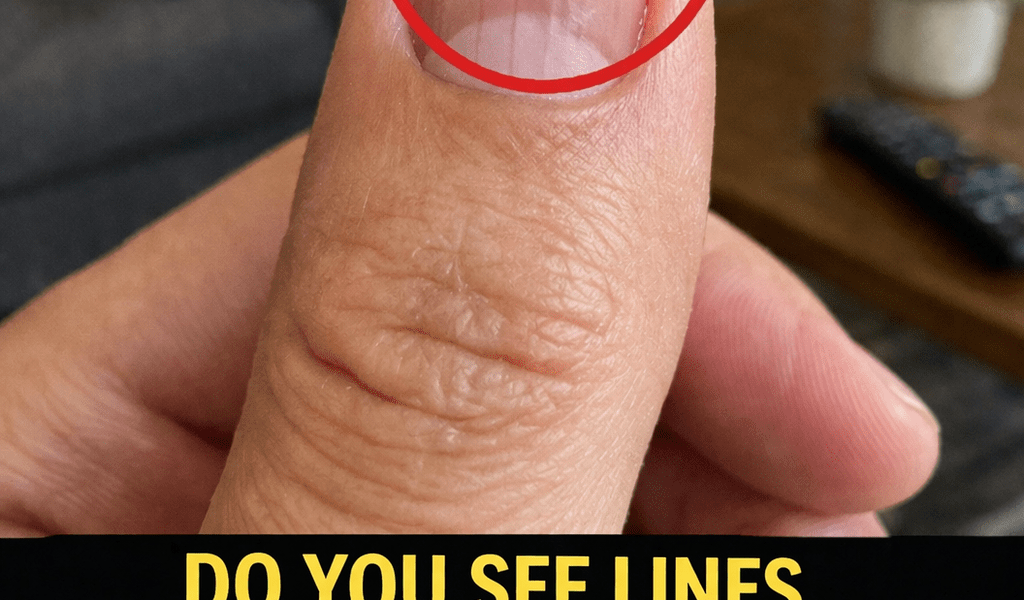
Vertical ridges, also called longitudinal ridges, run from the base of the nail (near the cuticle) down to the tip. These are by far the most common type, especially as we get older. Research and clinical observations show that many adults develop these subtle lines over time due to natural shifts in how nails grow.
Horizontal lines, on the other hand, run across the nail like grooves or indentations. These are less common and often called Beau’s lines. They tend to appear when nail growth temporarily slows or stops because of a significant event affecting the nail matrix—the area where new nail cells are made.
But that’s not all. The appearance, depth, and suddenness of the lines can give different clues. Here’s a quick comparison to help you spot the difference:
- Vertical Ridges: Usually thin, run lengthwise, become more noticeable with age, often affect multiple nails.
- Horizontal Ridges (Beau’s lines): Run side to side, can be deeper grooves, may appear after illness, stress, or injury.
Many people notice vertical lines first on their thumbnails or index fingers, but they can show up anywhere.

Why Do Vertical Nail Ridges Happen? Common Causes
If you’re seeing those vertical lines, the most frequent explanation is simply aging. Just like skin develops fine lines over the years, nail cell turnover slows down, leading to more visible ridges. Studies note that this change in cell production is a normal part of getting older and usually harmless.
Other everyday factors can play a role too:
- Dry skin or frequent hand washing that dehydrates the nail plate.
- Exposure to harsh chemicals, like those in nail polish removers or cleaning products.
- Genetics—some people are simply more prone to brittle nails with ridges.
In certain cases, vertical ridges can link to nutrient levels in the body. For example, low iron or protein intake sometimes shows up in nail texture, though this isn’t the only factor. Skin conditions such as eczema can also contribute by affecting nail health indirectly.
The good news? Most of the time, these lines don’t signal a major problem. They’re your nails’ way of showing natural wear and tear.
When Horizontal Lines Might Mean Something More
Horizontal ridges deserve a bit more attention because they often form when something interrupts normal nail growth. This could happen after a high fever, surgery, severe stress, or a period of poor nutrition.
Unlike vertical lines that grow out gradually with the nail, horizontal ones can mark a specific “pause” in growth. If you see them on multiple nails at roughly the same level, it might reflect a body-wide event from a few months ago—since nails grow about 3-4 millimeters per month on average.
Again, these aren’t always cause for panic, but they’re worth noting if they appear suddenly or come with other changes like discoloration, brittleness, or pitting.
What Your Nails Might Be Telling You About Daily Habits
Here’s the interesting part: your nails often reflect lifestyle choices more than you realize.
Frequent hand immersion in water, aggressive manicures, or using strong solvents can weaken the nail structure and make ridges more obvious. On the flip side, supporting your body with balanced nutrition and gentle care can help nails look smoother and stronger over time.
Many experts point out that staying hydrated and protecting hands from extreme dryness makes a noticeable difference for people bothered by ridged nails.
Simple Steps You Can Take to Support Healthier Nails
You don’t need fancy treatments to start caring for your nails better. Here are practical, everyday tips that many people find helpful:
- Moisturize regularly: Apply a good hand cream or cuticle oil after washing your hands. Focus on the cuticles and nail area to lock in moisture.
- Protect your hands: Wear gloves when doing dishes, cleaning, or gardening to reduce exposure to water and chemicals.
- Be gentle with manicures: Avoid over-filing or using harsh acetone-based removers too often. Opt for gentler nail care products when possible.
- Support overall nutrition: Eat a varied diet rich in proteins, healthy fats, and a range of vitamins and minerals from whole foods like leafy greens, nuts, eggs, and lean meats. Staying hydrated throughout the day also helps.
- Trim and file smartly: Keep nails at a manageable length and file in one direction to prevent splitting.
These small habits won’t erase lines overnight—nails grow slowly—but they can improve the appearance of new nail growth and reduce brittleness.

Lifestyle Changes That Make a Difference
Beyond basic care, think about how stress, sleep, and daily routines affect your whole body, including your nails. Chronic stress or inconsistent sleep can show up in various ways, and nails are no exception since they rely on steady cell production.
Some people notice improvements when they prioritize balanced meals and consistent hydration. Others find that reducing harsh chemical exposure (for example, switching to milder household cleaners) helps their nails feel less dry and ridged.
Remember, results take patience. A full nail replacement can take 4-6 months for fingernails, so consistent care over time is key.
When Should You Talk to a Professional?
Most vertical ridges are nothing to worry about, but certain changes deserve a closer look from a healthcare provider.
Pay attention if you notice:
- Sudden appearance of many new ridges
- Horizontal grooves across several nails
- Changes in nail color, thickness, or shape
- Nails that become very brittle, split easily, or lift from the nail bed
- Other symptoms like fatigue, skin changes, or unexplained weight shifts
A dermatologist or your primary care doctor can help figure out if there’s an underlying reason and suggest next steps. It’s always better to check than to wonder.
FAQ About Lines on Nails
Are vertical lines on nails always a sign of aging? Not always, but they are very common as we get older. Other factors like dryness, nutrition, or skin conditions can contribute too. Most cases are harmless.
Can I make nail ridges disappear completely? You can’t instantly erase existing ridges because they’re part of the nail plate that’s already grown. However, supporting healthier new growth through good care and habits can make future nails look smoother.
Do horizontal nail lines require medical attention? It’s smart to mention them to your doctor, especially if they appear suddenly or on multiple nails. They can sometimes reflect a past illness or stress on the body, but only a professional can determine the cause.
Final Thoughts
Seeing lines on your nails can feel unsettling at first, but in most cases, they’re a normal part of life rather than a red flag. By paying attention to the type of lines, adopting simple daily habits, and knowing when to seek advice, you can feel more confident about what your hands are showing you.
Take a moment today to moisturize your nails, reach for a glass of water, and maybe add some nutrient-rich foods to your plate. Small steps like these support not just your nails, but your overall sense of well-being.
Disclaimer: This article is for informational purposes only and does not replace professional medical advice. If you have concerns about changes in your nails or health, please consult a qualified healthcare provider for personalized guidance.