
Many people worry about how everyday food choices might play a role in long-term health, particularly when it comes to cancer risk. The flood of conflicting headlines and social media claims can make even simple meals feel stressful and overwhelming. The encouraging news is that major health organizations have studied these connections for years, giving us clear, evidence-based guidance instead of fear. In this guide, we’ll look at five common foods that research associates with higher cancer risk and share practical swaps you can start using right away. But the most powerful insight comes at the very end, where one small daily habit can help tie all these choices together in a way that truly supports your well-being.

Understanding the Link Between Diet and Cancer Risk
Research from the American Cancer Society and the World Health Organization shows that what we eat regularly can influence inflammation, body weight, and other factors tied to cancer development over time. No single food causes cancer on its own, but patterns of consumption matter. Studies consistently highlight how certain items appear more often in diets linked to elevated risk. The good news? Small, sustainable changes can make a real difference without feeling restrictive.
The 5 Foods Research Suggests You Consider Limiting
Here’s what the latest studies reveal about these everyday items. We’ll break down the science in plain language and give you simple, actionable ways to adjust your habits.
1. Processed Meats (Bacon, Sausages, Hot Dogs, and Deli Slices)
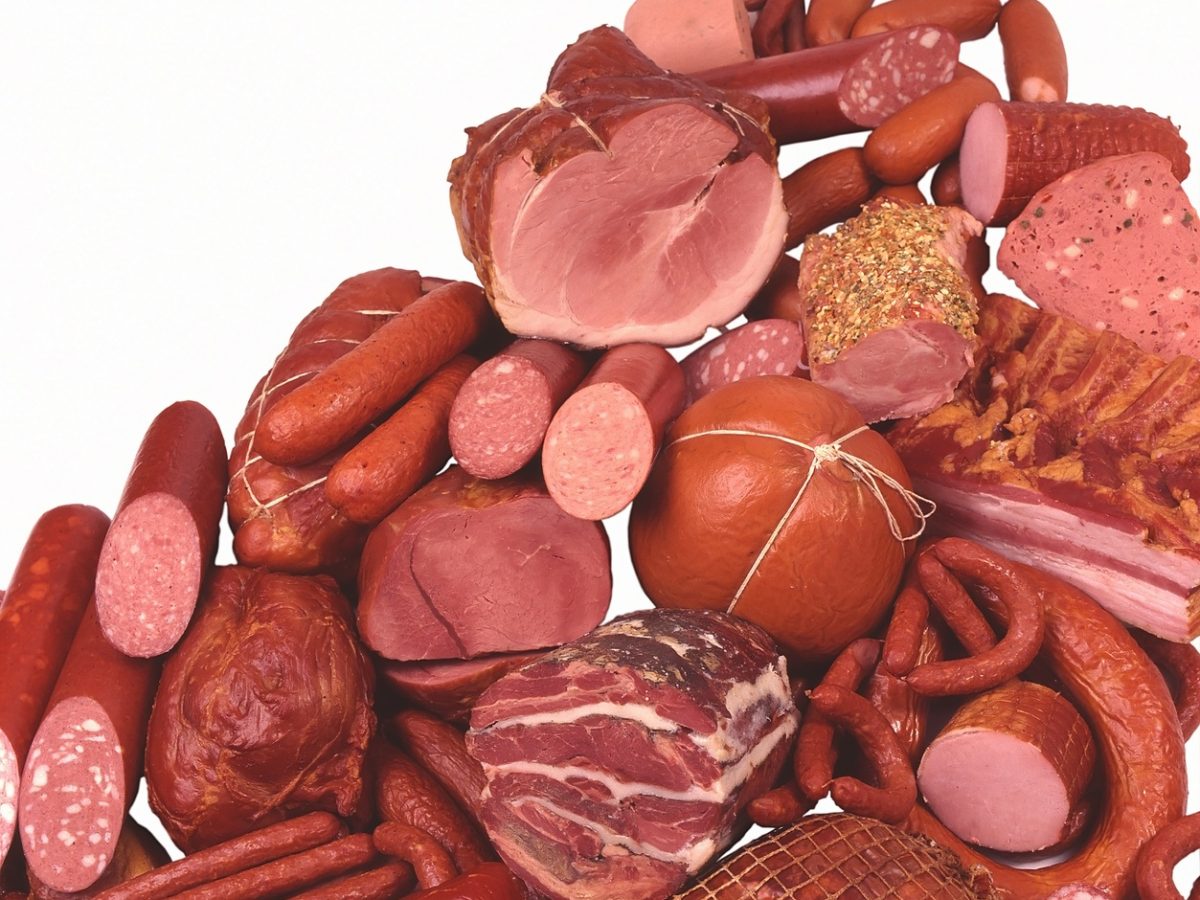
Processed meats top the list in multiple large-scale reviews because they contain nitrates, nitrites, and other compounds formed during curing and smoking. The International Agency for Research on Cancer classifies them as a Group 1 carcinogen, with strong links to colorectal cancer risk. But here’s the part many people miss: the risk rises most with frequent, high-volume intake rather than the occasional slice.
Why the research flags them
- High sodium and preservative levels
- Formation of potentially harmful compounds when cooked
- Association with increased inflammation over time
Smart swaps you can try today
- Choose fresh, unprocessed poultry, fish, or plant-based proteins like beans or lentils instead of deli meat for sandwiches.
- Use herbs, spices, and vinegar for flavor instead of cured bacon in breakfast dishes.
- Opt for nitrate-free options only occasionally and in smaller portions if you crave that classic taste.
2. Red Meat (Beef, Pork, and Lamb)
Unprocessed red meat is labeled “probably carcinogenic” by the World Health Organization, especially when eaten in large amounts. Studies link higher intake to colorectal cancer through compounds formed during digestion and high-heat cooking. The key isn’t total elimination but mindful portions.
Practical steps to enjoy it smarter
- Limit portions to 3–4 ounces (about the size of a deck of cards) a few times per week.
- Choose lean cuts and pair them with plenty of vegetables and fiber-rich sides.
- Try marinating with herbs, garlic, and citrus before grilling to reduce harmful compounds.
- Alternate with fish, eggs, or legumes on other nights for variety.
3. Alcohol

Even moderate drinking shows clear connections to higher risk for breast, liver, colorectal, and several other cancers. Alcohol breaks down into acetaldehyde, a known carcinogen, and it can affect hormone levels and nutrient absorption. The safest choice according to experts is to limit or avoid it entirely, but if you drink, keeping it to occasional low amounts matters.
Easy ways to cut back without feeling deprived
- Replace evening wine with sparkling water and fresh fruit slices.
- Set a personal limit of no more than one standard drink per day if you choose to drink at all.
- Explore non-alcoholic versions of your favorite cocktails for social occasions.
4. Sugar-Sweetened Beverages and Sweets
While sugar itself doesn’t directly “feed” cancer cells in the dramatic way some headlines claim, regular consumption of sugary drinks contributes to weight gain and insulin changes that research links to higher cancer risk. The American Cancer Society specifically calls out these beverages as items to limit as part of a cancer-prevention eating pattern.
Quick swaps that still feel satisfying
- Switch to water infused with lemon, cucumber, or berries.
- Choose whole fruit over fruit juice for natural sweetness and fiber.
- Reach for plain yogurt with a sprinkle of cinnamon instead of sweetened desserts.
5. Ultra-Processed Foods (Packaged Snacks, Fast Food, and Ready Meals)
Recent studies, including large multinational reviews, connect higher intake of ultra-processed foods to increased overall cancer risk, partly through excess calories, low fiber, and additives. These items often crowd out more nutritious choices and contribute to weight gain.
But wait — here’s the encouraging flip side
You don’t need to overhaul your entire pantry overnight. Start by swapping one or two items a week.
- Replace chips with air-popped popcorn seasoned with herbs.
- Choose whole-grain bread or oats over sugary cereals.
- Cook simple one-pan meals at home using fresh ingredients instead of frozen dinners.
Building a Diet That Supports Your Health Every Day
Making these adjustments becomes easier when you focus on what to add rather than just what to limit. Research consistently shows that diets rich in fruits, vegetables, whole grains, and legumes are associated with lower cancer risk. Here’s a simple daily framework many experts recommend:
- Fill half your plate with colorful vegetables and fruits
- Choose whole grains like brown rice or quinoa over refined versions
- Include a variety of plant proteins and healthy fats from nuts, seeds, and olive oil
The real secret most people overlook? Consistency beats perfection. One study after another shows that steady, small improvements in eating habits compound over years to support better health outcomes.
Why These Changes Matter More Than You Might Think
When you start paying attention to these five categories, you naturally make room for more nutrient-dense foods that research links to protective effects. Your energy improves, inflammation markers often trend downward, and you gain a sense of control that feels empowering rather than restrictive.
One surprising habit that ties everything together
At the end of the day, the single most powerful move isn’t banning any food forever — it’s building a plate that’s mostly plants, moving your body regularly, and getting quality sleep. That combination creates an internal environment studies show is far less welcoming to chronic disease.
FAQ
Q1: Can I still enjoy these foods once in a while without worry?
Yes. Occasional enjoyment in small amounts as part of an overall balanced pattern is what most experts emphasize. The risk picture emerges from regular, high consumption over many years.
Q2: Are organic or “natural” versions of these foods safer?
Organic processed meats or red meat still carry the same compounds of concern. The processing method, not the farming practice, is the main issue according to current research.
Q3: How quickly do dietary changes make a difference?
Positive shifts in weight, inflammation, and energy can appear within weeks, while the longer-term protective benefits build over months and years. The earlier you start, the better.
Q4: Does this mean I have to give up everything I love?
Not at all. The goal is smarter choices most of the time so you can still enjoy favorite foods mindfully on special occasions.
This article is for informational purposes only and is not intended as medical advice. Individual health needs vary, so please consult your healthcare provider or a registered dietitian for personalized guidance tailored to your situation.