What Every Woman Should Know About Endometriosis: Symptoms, Causes, and Practical Ways to Support Your Health

Many women push through intense pelvic pain every month, convincing themselves it’s just part of having a period, only to find it stealing days from work, intimacy, and simple joys like a weekend hike. That constant ache, the heavy bleeding that leaves you drained, and the way it quietly affects your mood and energy can feel incredibly isolating and frustrating. The truth is, these experiences often point to endometriosis, a condition that impacts millions yet remains widely misunderstood. But here’s the hopeful part: gaining a clear picture of what’s happening inside your body can empower you to make small, everyday choices that many women say help them feel more in control.

What Exactly Is Endometriosis?
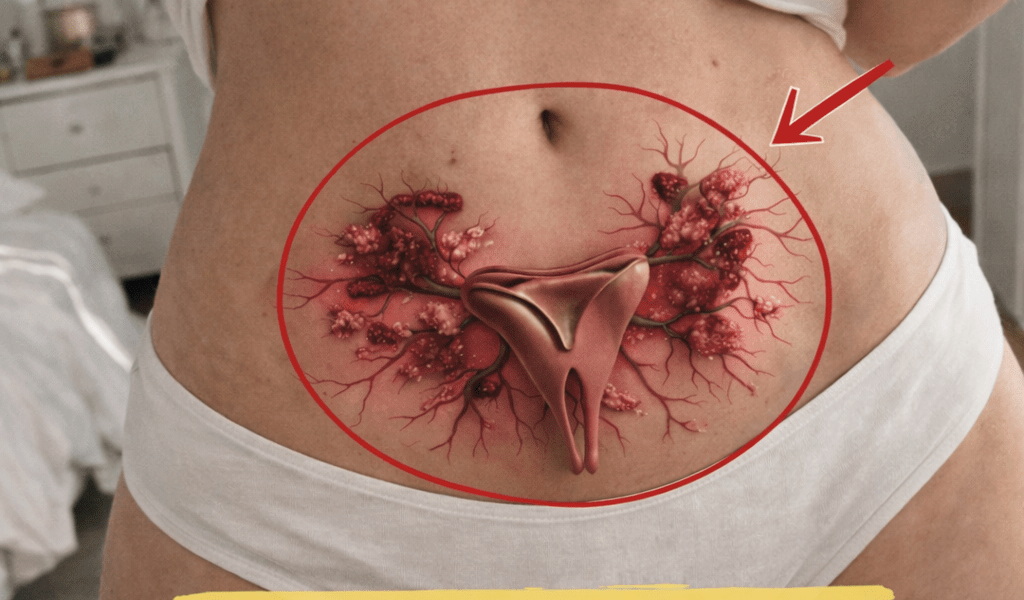
Endometriosis happens when tissue similar to the lining inside your uterus starts growing in places it doesn’t belong—on the ovaries, fallopian tubes, the outer surface of the uterus, or even the bowels and bladder. Doctors sometimes describe it simply as “inside is outside” because this misplaced tissue behaves just like the normal uterine lining: it thickens, breaks down, and bleeds with each menstrual cycle. The problem? There’s no easy way for the blood to leave the body, so it triggers inflammation, irritation, and eventually scar tissue or adhesions that can stick organs together.
But that’s not the whole story. This process can create a cycle of pain and discomfort that feels far more intense than typical period cramps. Research from leading women’s health organizations shows that endometriosis affects roughly 10 percent of women of reproductive age worldwide—that’s an estimated 190 million people. Yet many still suffer in silence because the symptoms are so easy to dismiss as “normal.”
Recognizing the Most Common Symptoms
The symptoms of endometriosis vary widely from woman to woman, which is one reason it can be tricky to spot. Here are some of the most frequently reported signs:
- Severe pelvic pain that worsens during your period or lasts beyond it
- Heavy or irregular menstrual bleeding that soaks through pads or tampons quickly
- Pain during or after sexual intercourse
- Discomfort with bowel movements or urination, especially around your period
- Chronic fatigue that doesn’t improve with rest
- Difficulty getting pregnant or concerns about fertility
Here’s why this list matters: these issues don’t always happen at the same time, and they can overlap with other conditions like irritable bowel syndrome or ovarian cysts. If you’ve ever felt like your body is betraying you month after month, you’re far from alone. Studies consistently show that the average time from first symptoms to a confirmed understanding can stretch 7 to 10 years—time during which many women simply learn to cope instead of seeking deeper answers.
Why the Exact Cause Remains a Bit of a Mystery

Scientists haven’t pinned down one single cause for endometriosis, but several theories help explain how it might develop. One common idea is retrograde menstruation, where some menstrual blood flows backward through the fallopian tubes and into the pelvic cavity instead of leaving the body. Other factors include genetics (having a close relative with the condition raises your risk), immune system differences, and even environmental influences.
Certain risk factors seem to play a role too:
- Starting your period at an early age
- Having shorter menstrual cycles or longer, heavier periods
- A family history of endometriosis
- Never having given birth
The important takeaway? While you can’t change your genetics or past, knowing these connections helps you pay closer attention to your body and discuss patterns openly with a healthcare provider.
How Endometriosis Can Affect Everyday Life
Beyond the physical pain, endometriosis often touches emotional and social parts of life in ways people rarely talk about. Imagine canceling plans with friends because the fatigue is overwhelming, or feeling self-conscious during intimate moments because pain makes closeness difficult. For some women, the condition contributes to anxiety or low mood, creating a loop where stress makes symptoms feel even stronger.
This is where understanding becomes powerful. When you recognize that the pain isn’t “all in your head,” it opens the door to practical steps that support your overall well-being. Many women report that simply tracking their cycle and symptoms helps them feel less overwhelmed and more prepared.
Lifestyle Habits That May Help You Feel Better Day to Day

The good news is that certain everyday habits can make a meaningful difference in how you experience symptoms. While these aren’t magic fixes, research suggests they support reduced inflammation and better hormonal balance for many women living with endometriosis.
Here’s a simple, actionable list you can start today:
- Track your symptoms daily – Use a free app or a notebook to note pain levels, bleeding, energy, and mood. Patterns often become clear within a couple of months, making doctor visits far more productive.
- Focus on an anti-inflammatory eating style – Load your plate with colorful fruits and vegetables, fatty fish like salmon, nuts, seeds, and whole grains. Some women also find that cutting back on red meat and ultra-processed foods helps them feel less bloated and uncomfortable.
- Move gently but consistently – Low-impact activities such as walking, swimming, or yoga can ease pelvic tension without overdoing it. Even 20–30 minutes most days makes a difference.
- Prioritize sleep and stress relief – Aim for 7–9 hours of quality rest and try short breathing exercises or meditation when pain spikes. Chronic stress can amplify discomfort, so these small resets matter.
- Stay hydrated and consider gentle heat – Warm baths or a heating pad on the lower belly often provide quick, soothing relief during tougher days.
But here’s the part many women find most encouraging: these changes don’t require a complete lifestyle overhaul. Start with just one or two habits that feel doable, and build from there. Over time, many notice they have more good days than they expected.
Preparing for Conversations With Your Healthcare Provider
If you suspect endometriosis might be part of your story, coming prepared can make all the difference. Bring your symptom tracker, a list of questions, and be ready to describe how the pain affects your daily life—not just during your period. Don’t hesitate to ask for a referral to a specialist if needed. Clear communication helps move the conversation forward faster.
Wrapping It Up: Knowledge Is Your Best Ally
Endometriosis is more common than most people realize, and the “inside is outside” reality explains why it can cause such widespread discomfort. By understanding the symptoms, possible causes, and simple lifestyle steps that support your body, you’re already taking a meaningful step toward feeling heard and empowered.
Remember, every woman’s experience is unique. The goal isn’t perfection—it’s finding what works for you so you can live life more fully, even on the challenging days.
Frequently Asked Questions
Is endometriosis the same as painful periods?
No. While painful periods can be one sign, endometriosis often involves pain that lasts longer, occurs in other parts of the cycle, or affects areas beyond just the uterus. Many women with the condition also experience symptoms unrelated to bleeding.
Can lifestyle changes replace medical care?
Lifestyle habits are supportive tools, not replacements. They work best alongside guidance from a qualified healthcare provider who can help create a complete plan tailored to your needs.
Does endometriosis always affect fertility?
Not for every woman. While it can make conception more difficult for some, many women with endometriosis go on to have healthy pregnancies. Open conversations with your doctor can help explore your personal options.
This article is for informational purposes only and is not a substitute for professional medical advice, diagnosis, or treatment. Always consult with a qualified healthcare provider about your individual health concerns.