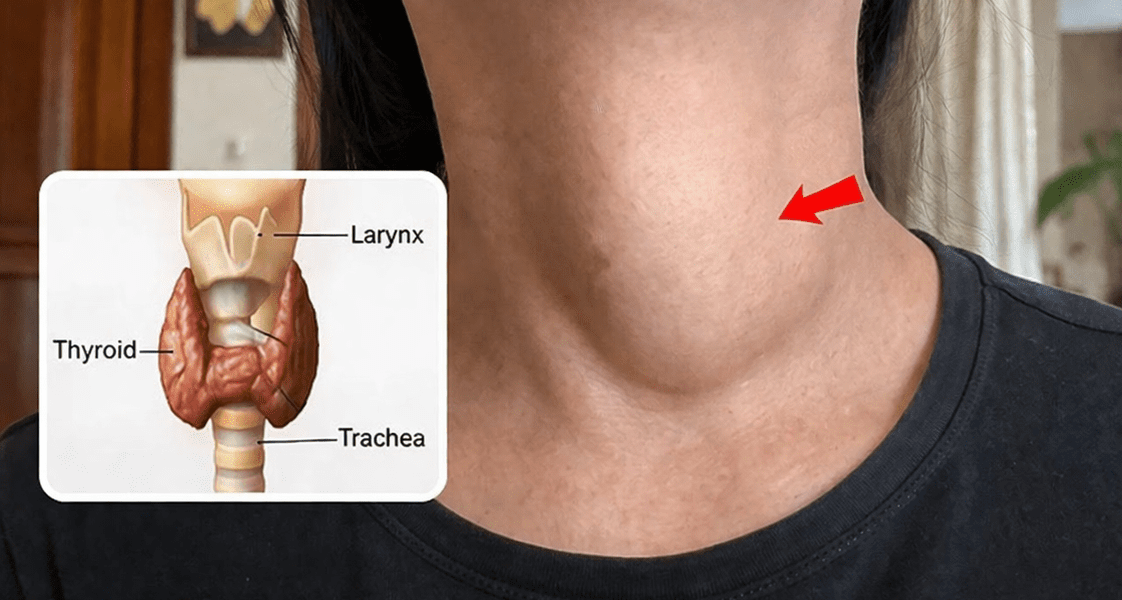

Dealing with ongoing fatigue, unexpected weight fluctuations, or that persistent “off” feeling can be incredibly draining when your thyroid is involved. These tiny glands quietly control so much of how you feel every single day, yet many people never connect their daily plate to how their body responds. The frustration builds when you’re already trying your best but still feel like something is quietly working against you.
The good news is that small, smart adjustments to everyday foods can help reduce the load on your thyroid and support its natural processes. In this guide, we’ll walk through six common items nutrition experts often recommend limiting or preparing differently. Stick around until the end because you’ll discover simple swaps and habits that make these changes feel easy and sustainable.

Why Your Diet Matters for Thyroid Support
Your thyroid needs the right balance of nutrients like iodine, selenium, and zinc to do its job smoothly. At the same time, certain natural compounds and additives found in everyday foods can sometimes interfere with how your body absorbs or uses those nutrients.
Experts recommend paying attention to these interactions, especially when you already have thyroid concerns. Research shows that being mindful about specific foods can help ease unnecessary stress on the gland without drastic lifestyle overhauls.
1. Unfermented Soy Products
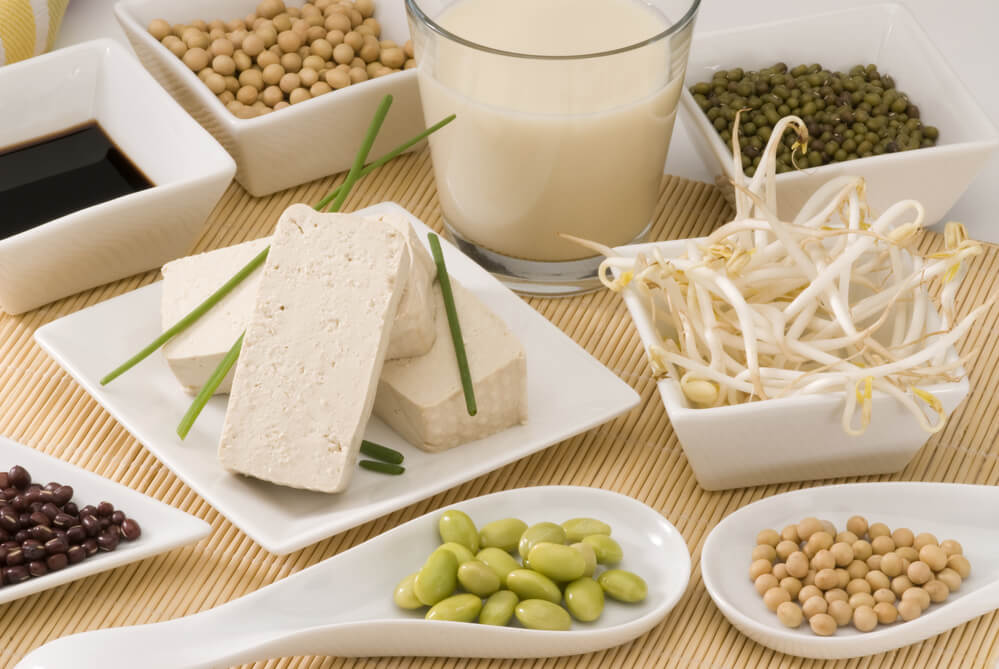
Soybeans, soy milk, and tofu contain isoflavones. These plant compounds may influence thyroid hormone production in some people, particularly if iodine levels are low.
The impact tends to be stronger with unfermented forms compared to traditionally fermented options like miso or tempeh. Many nutritionists suggest keeping unfermented soy moderate rather than eliminating it completely.
2. Raw Cruciferous Vegetables
Broccoli, cauliflower, cabbage, kale, and Brussels sprouts are packed with nutrients. However, they also contain goitrogens that can temporarily interfere with iodine uptake when eaten raw in large amounts.
Cooking these vegetables deactivates most of those compounds, making them far more thyroid-friendly. Studies confirm that light steaming, roasting, or sautéing dramatically reduces any potential concern while keeping all the good stuff intact.
Here’s a quick list of popular cruciferous vegetables and easy preparation tips:
- Broccoli: Steam or roast for 8–10 minutes
- Kale: Massage with olive oil and sauté lightly
- Cabbage: Add to soups or stir-fries
- Cauliflower: Roast at 400°F until golden
3. Highly Processed Foods and Fast Food

Packaged snacks, canned items loaded with preservatives, deli meats, and fast-food meals often deliver unhealthy fats, excess sodium, and empty calories. These can contribute to low-grade inflammation and place extra demands on your metabolic system.
Experts point out that diets high in ultra-processed foods are linked to greater challenges in maintaining balanced energy and hormone regulation overall.
4. Gluten-Containing Foods (Especially for Autoimmune Concerns)
Wheat, barley, and rye contain gluten. For individuals with autoimmune thyroid conditions such as Hashimoto’s, gluten may trigger an immune response that increases inflammation in sensitive people.
Not everyone needs to avoid gluten, but many registered dietitians recommend a short trial elimination under medical guidance if autoimmune markers are present.
5. Organ Meats
Liver, kidney, heart, and other organ meats are nutrient-dense. They also contain alpha-lipoic acid, which some research suggests may interact with thyroid function or certain medications in specific cases.
If you enjoy traditional organ-meat dishes, simply enjoy them occasionally and space them out, especially while taking thyroid medication.
6. Caffeinated Drinks and Alcohol
Coffee, strong tea, energy drinks, and alcohol can affect how your body absorbs medications. Caffeine may also contribute to heart palpitations or sleep disruption, while alcohol adds extra stress to your system.
Limiting these beverages often helps people feel steadier and supports better medication effectiveness.
Better everyday alternatives worth trying:
- Herbal teas (chamomile, peppermint, or ginger)
- Warm water with a slice of lemon
- Sparkling water infused with fresh berries or cucumber
- Decaf coffee in moderation if you still want the ritual
Building a Thyroid-Supportive Eating Pattern
Beyond limiting certain items, focus on what you add to your plate. Foods rich in selenium (just one or two Brazil nuts a day can help), zinc from pumpkin seeds, and balanced iodine from seafood or iodized salt in moderation are frequently recommended.
Vitamin D from safe sunlight or fortified foods also plays a supportive role in immune and thyroid health. The key is balance—neither too much nor too little iodine is ideal, so work with your doctor to find your personal sweet spot.
Simple Daily Habits You Can Start This Week
Making changes doesn’t have to feel overwhelming. Try these five easy steps:
- Cook all cruciferous vegetables instead of eating them raw.
- Scan labels for hidden soy and gluten when grocery shopping.
- Prepare one extra home-cooked meal each week using fresh ingredients.
- Take thyroid medication on an empty stomach and wait at least 30–60 minutes before coffee or soy products.
- Keep a simple one-week food journal to notice how different choices affect your energy.
These small shifts often lead to noticeable improvements in how you feel over time.
What This Means for Your Daily Routine
Thoughtful food choices don’t have to feel like a punishment. Many people report steadier energy, better mood, and greater peace of mind once they align their plate with their thyroid needs. It’s about giving your body the support it deserves rather than fearing every bite.
Remember, everyone’s body responds differently. What works beautifully for one person may need tweaking for another, which is why professional guidance remains essential.
Frequently Asked Questions
1. Can I still enjoy cruciferous vegetables if I have thyroid concerns?
Yes. Most experts agree that cooked portions in a balanced diet are generally well-tolerated. Proper preparation and moderation are usually more important than complete avoidance.
2. How soon might I notice a difference after changing my diet?
Some people feel improvements in digestion and daily energy within a few weeks. Thyroid hormone levels take longer to shift and should always be checked through regular blood work with your doctor.
3. Does everyone with thyroid concerns need to follow the exact same restrictions?
No. The best approach depends on your specific situation, medication, and lab results. A conversation with your endocrinologist or registered dietitian helps create a plan that fits you perfectly.
Disclaimer: This article is for educational and informational purposes only. It is not intended to diagnose, treat, or cure any health condition. The suggestions provided should not replace professional medical advice. Always consult with your healthcare provider before making changes to your diet or treatment plan, especially if you have a diagnosed thyroid condition or are taking medication.