

High cholesterol is a common condition that often develops silently. Most people experience no obvious symptoms until serious complications—such as a heart attack or stroke—occur. For this reason, it is frequently referred to as a “silent killer,” as it can gradually damage arteries without noticeable warning signs.
⚠️ Indirect Symptoms and Warning Signs
Although high cholesterol itself does not usually cause direct symptoms, long-term elevated levels can lead to conditions that produce noticeable signs, including:
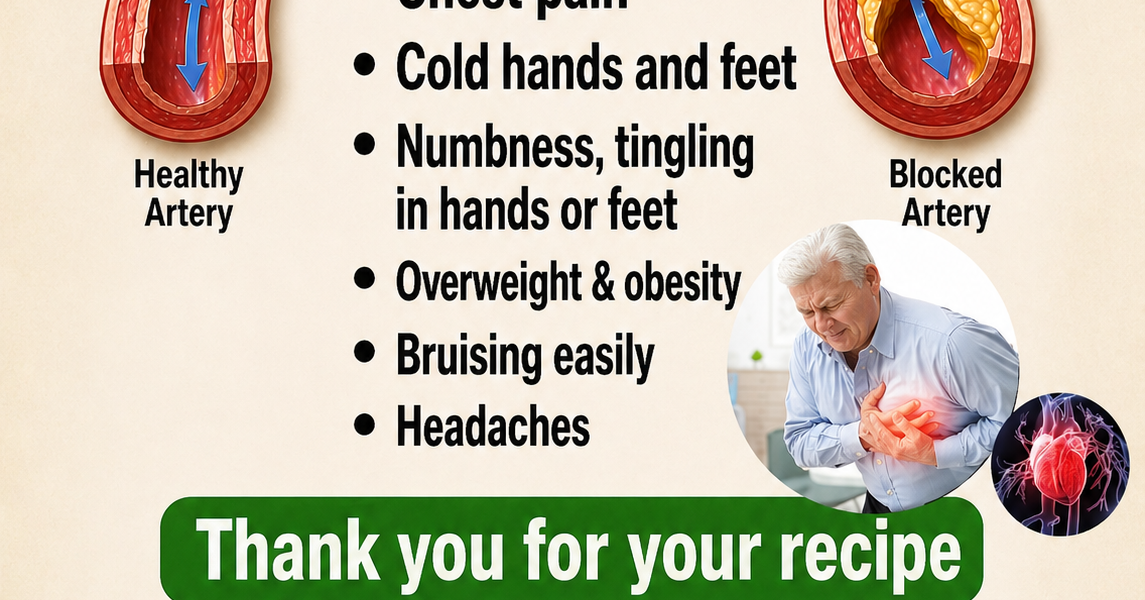
- Chest pain (angina): Caused by reduced blood flow to the heart due to blocked arteries
- Fatigue or shortness of breath: May indicate compromised heart function or poor circulation
- Xanthomas: Small fatty deposits under the skin, often found on elbows, knees, buttocks, or eyelids
- Xanthelasma: Yellowish patches or lumps around the eyes
- Corneal arcus: A white or gray ring around the iris; common in older adults, but in younger individuals it may signal high cholesterol
- Leg pain while walking (intermittent claudication): A sign of peripheral artery blockage
❤️ Risks of Untreated High Cholesterol
Ignoring high cholesterol can lead to severe and potentially life-threatening health issues, such as:
- Heart attack (myocardial infarction)
- Stroke
- Peripheral artery disease (PAD)
- Atherosclerosis (hardening and narrowing of the arteries)
These conditions develop as cholesterol builds up in the artery walls, restricting blood flow and increasing the risk of cardiovascular events.
🧪 Detection and Prevention
The only reliable way to determine cholesterol levels is through a blood test called a lipid profile, which measures:
- Total cholesterol
- LDL cholesterol (“bad” cholesterol)
- HDL cholesterol (“good” cholesterol)
- Triglycerides
Recommended Screening Frequency:
- Every 4–6 years for healthy adults
- More frequently for individuals with risk factors such as obesity, high blood pressure, diabetes, smoking, or a family history of heart disease
💡 Tips for Maintaining Healthy Cholesterol Levels
Adopting a healthy lifestyle is key to preventing high cholesterol and its complications:
- Eat a balanced diet rich in fruits, vegetables, whole grains, and healthy fats
- Exercise regularly (at least 150 minutes per week)
- Maintain a healthy weight
- Avoid smoking and limit alcohol consumption
- Schedule regular health check-ups
Final Thoughts
High cholesterol may not show clear symptoms, but its impact on your health can be serious. Early detection through routine screening and proactive lifestyle choices can significantly reduce your risk of heart disease and other complications. Taking care of your cholesterol today is an investment in your long-term heart health.