Abdominal Pain Referral Areas Explained: Your Complete Guide to Understanding Pain in Different Parts of the Abdomen

Abdominal pain can strike at any time and turn a normal day into one filled with worry and discomfort. That nagging ache or sudden sharp sensation in your belly often leaves you wondering if it’s something minor or requires immediate attention. The location where you feel the pain can offer important clues that medical professionals use to understand what might be happening inside the body. In this guide, we’ll map out the common abdominal pain referral areas so you can better understand how pain locations relate to different parts of the body – but stick around until the end for a simple tracking method that many find surprisingly helpful when preparing to talk with their healthcare provider.

Why Understanding Abdominal Pain Referral Areas Matters
The abdomen houses many vital organs, and pain can sometimes feel like it’s coming from one spot while originating from another. Doctors and medical teams often use a standard map dividing the abdomen into specific regions to help organize their thoughts during evaluation.
This approach doesn’t replace professional care but can empower you to describe your experience more precisely. Research and clinical observations suggest that noting the exact area can assist in the diagnostic process.
But that’s not the whole picture. Factors like the type of pain, when it occurs, and other symptoms play equally important roles.
The 9 Key Abdominal Pain Referral Areas
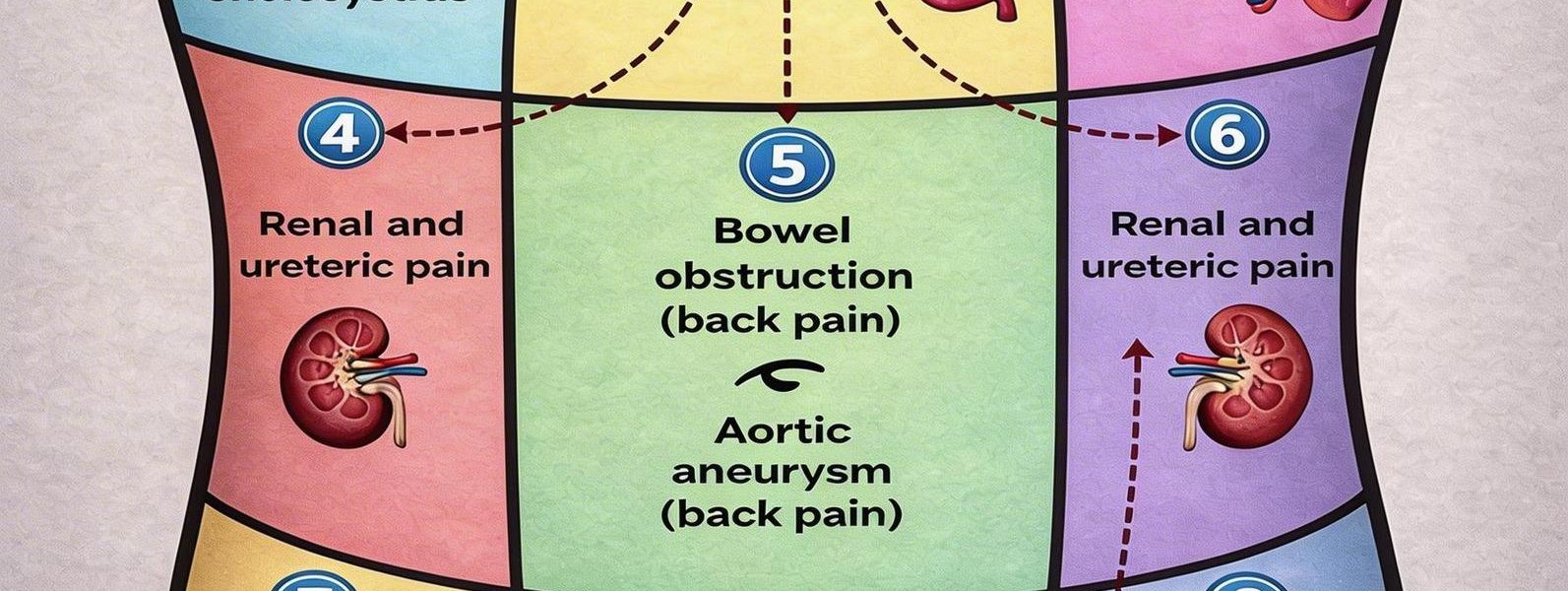
Medical charts commonly divide the abdomen into nine areas for better reference. Here’s a quick overview in list form:
- Area 1: Right upper quadrant
- Area 2: Upper central (epigastric) region
- Area 3: Left upper quadrant
- Area 4: Right side (flank)
- Area 5: Central area around the belly button
- Area 6: Left side (flank)
- Area 7: Right lower quadrant
- Area 8: Lower central (pelvic) area
- Area 9: Left lower quadrant
Now, let’s explore what pain in each of these areas is often associated with, based on common clinical patterns.

Right Upper Quadrant (Area 1)
Pain located in the right upper part of the abdomen is frequently linked to the liver and gallbladder. Examples include situations involving hepatitis or cholecystitis.
The liver is essential for processing nutrients and filtering blood, while the gallbladder stores bile used for digestion. Discomfort here might appear after certain meals or with other symptoms.
Healthcare providers consider these possibilities when patients report pain in this specific spot. Always discuss your full symptoms with a professional for proper assessment.
Upper Central Region (Area 2)
The area just below the rib cage in the center, known as the epigastric region, is a common spot for discomfort related to the stomach and pancreas. Peptic ulcers and pancreatitis are among the conditions often considered in this context.
This area is close to where food enters the digestive process, so pain here can sometimes relate to digestion issues. Here’s the key point: pain in this region can sometimes radiate or feel connected to other areas.
Left Upper Quadrant (Area 3)
On the left upper side, pain might draw attention to the spleen. Splenic injury or other spleen-related concerns are examples that medical teams might evaluate.
The spleen helps with immune function and blood filtering. Any discomfort in this area deserves careful attention from a healthcare provider.
Right and Left Flank Areas (Areas 4 and 6)
The sides of the abdomen, or flanks, are typical locations for pain connected to the kidneys and ureters. Renal issues or ureteric problems often present with discomfort in these regions.
Pain here can sometimes move or feel like it travels toward the back or groin. This pattern is well-documented in medical practice.
Central Abdominal Area (Area 5)

Around the belly button or central region, pain is sometimes associated with bowel concerns like obstruction or, in certain cases, issues with the aorta such as aneurysm. Interestingly, these can also cause back pain.
This central location is where many intestinal activities occur, making it a focal point for various digestive experiences. But wait, there’s more – the connection to back pain is something many people don’t initially connect to abdominal sources.
Right Lower Quadrant (Area 7)
The lower right area is famously linked to the appendix. Appendicitis is a well-known example where pain often starts or settles in this quadrant.
Many people recognize this location from general health information, but remember that only medical evaluation can confirm any specific situation.
Lower Central or Pelvic Region (Area 8)
In the lower middle area above the pubic bone, pain can relate to pelvic structures. For women, this might include concerns like ovarian cysts or pelvic inflammatory disease, among other possibilities.
This region involves reproductive and urinary systems too, which is why a thorough history helps doctors understand the full picture.
Left Lower Quadrant (Area 9)
Pain in the lower left side is commonly associated with the colon, particularly diverticulitis in some adults.
The large intestine in this area can sometimes develop small pouches that become irritated. Describing the precise spot helps in conversations with your care team.
Here’s something important: pain can sometimes shift or refer between areas, which is why tracking changes over time is useful.
Practical Tips for Monitoring Your Abdominal Pain
Keeping a simple record of your symptoms can make a big difference when you speak with a healthcare professional. Here are some actionable steps you can start today:
- Note the exact location using the areas described above
- Rate the pain intensity on a scale of 1 to 10
- Record when the discomfort started and how long it lasts
- List any triggers like certain foods, movements, or times of day
- Mention other symptoms such as changes in appetite, bowel habits, or fever
- Track what makes the pain better or worse
- Consider if it radiates to the back or other places
Using these details turns a vague “my stomach hurts” into clear information that supports better discussions.
When to Reach Out for Professional Help
While occasional mild discomfort is common, certain patterns suggest it’s wise to consult a healthcare provider promptly. Severe pain, pain that persists, or discomfort accompanied by concerning changes warrants attention.
Don’t hesitate to seek care if symptoms interfere with daily life. Early conversations often lead to clearer understanding.
Final Thoughts on Abdominal Pain Referral Areas
Mapping out where pain occurs using these standard referral areas provides a helpful framework for understanding your body’s signals. Combined with good tracking habits, it equips you to engage more confidently with medical professionals.
The most important step is always professional evaluation tailored to your individual situation.
FAQ
1. Can pain from one organ be felt in a completely different area?
Yes, referred pain is a recognized phenomenon where the brain interprets signals from one area as coming from another. This is why location charts are useful tools in clinical settings.
2. Is back pain ever connected to abdominal issues?
Absolutely. Some conditions in the central abdominal area, like certain bowel or vascular concerns, can present with back pain as well. This overlap highlights why full symptom descriptions matter.
3. Does knowing the pain location replace the need for a doctor’s visit?
No. While it provides helpful context, it is never a replacement for professional medical assessment, testing, and personalized advice.
Disclaimer: This article is provided for educational and informational purposes only. It is not intended to diagnose, treat, or replace the advice of a qualified healthcare professional. If you are experiencing abdominal pain or any health concerns, please consult with a doctor or appropriate medical provider for proper evaluation and care.