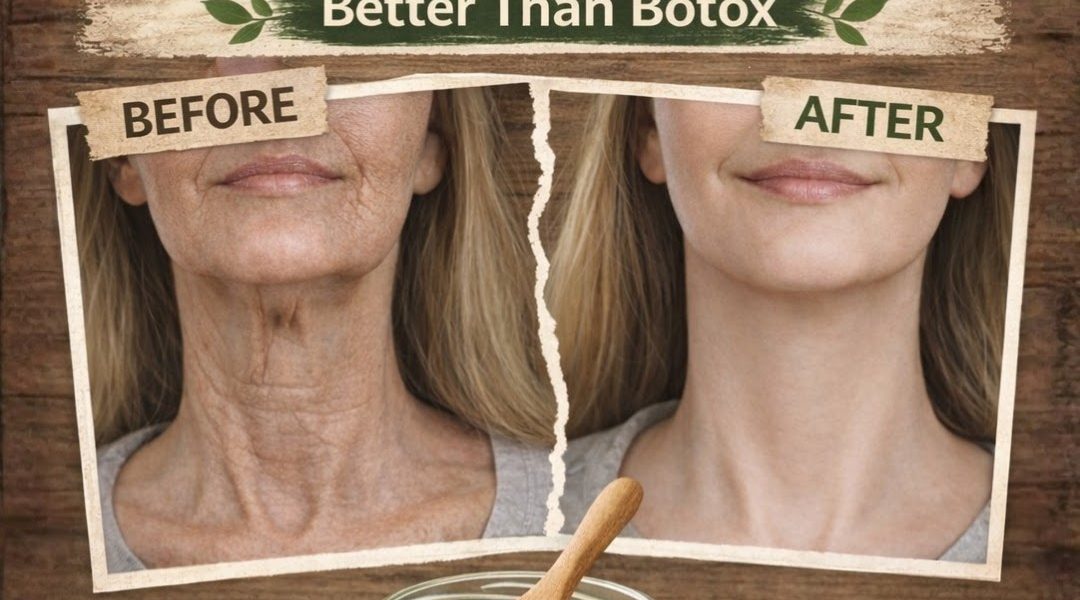

In recent months, a “baking soda cream” has gone viral on social media. Many posts claim that applying it before bedtime can erase wrinkles, lighten dark spots, and reduce under-eye circles.
Because the recipe is simple and inexpensive, thousands of people—especially those over 40 looking for natural skincare solutions—have started trying it at home.
But before mixing this trending remedy, it’s important to understand what science and dermatologists actually say, because not everything that goes viral online is safe or effective for your skin.
This article explains what the viral baking soda cream is, what it can really do, the potential risks, and safer alternatives for smoother, healthier skin.

What Is the Viral Baking Soda Cream?
The most widely shared version is a homemade facial paste or overnight mask made with common kitchen ingredients.
Typical Ingredients
-
1–2 tablespoons of baking soda
-
Water, coconut oil, honey, or yogurt to create a creamy texture
-
Optional ingredients: lemon juice or aloe vera
How It Is Used
-
Clean your face thoroughly.
-
Apply the mixture evenly to the skin.
-
Leave it on for 10–20 minutes (some extreme versions suggest overnight use).
-
Rinse with lukewarm water.
The Claims
According to viral posts, the mixture supposedly:
-
Removes wrinkles
-
Lightens dark spots and pigmentation
-
Reduces under-eye circles
-
Rejuvenates and brightens the skin
However, these claims require closer examination.
Baking soda (sodium bicarbonate) is an alkaline compound with mild abrasive properties. Because of its texture and chemistry, it can produce some short-term cosmetic effects.
1. Temporary Exfoliation
Baking soda works as a mechanical exfoliant. When gently rubbed on the skin, it can help remove dead skin cells from the surface, which may leave the skin feeling smoother.
This temporary exfoliation can create the appearance of brighter, more polished skin.
2. Oil Absorption
Because baking soda can absorb excess oil, some people with occasional oily or acne-prone skin may notice reduced shine after using it.
However, this effect is temporary and does not treat the root causes of acne.
3. Odor Neutralization
Baking soda is also known for its ability to neutralize odors, which is why it is commonly used in household cleaning and deodorizing.
While these effects may make the skin feel cleaner or smoother briefly, they do not address deeper skin concerns like wrinkles or hyperpigmentation.
Despite the viral claims, dermatologists emphasize that baking soda cannot permanently remove wrinkles or dark spots.
Here’s why.
1. It Cannot Reverse Wrinkles
Wrinkles develop due to:
-
Loss of collagen
-
Reduced skin elasticity
-
Sun exposure
-
Natural aging
Because baking soda only affects the outermost layer of the skin, it cannot rebuild collagen or restore skin structure.
Any “smoother” appearance after using it comes from temporary exfoliation, not wrinkle removal.
2. It Cannot Eliminate Pigmentation
Dark spots such as:
-
Sun spots
-
Melasma
-
Age spots
are caused by changes in melanin production deeper in the skin.
Treating these conditions typically requires targeted ingredients like vitamin C, retinoids, or dermatological procedures.
Baking soda does not regulate melanin, so it cannot permanently lighten these spots.
Dermatologists often caution against frequent facial use of baking soda due to its strong alkalinity and abrasive nature.
1. It Disrupts the Skin’s Natural pH
Healthy skin has a slightly acidic pH of about 4.5–5.5.
Baking soda has a pH of around 9, which is highly alkaline.
Applying it regularly can:
2. Potential Chemical Irritation
Because of its abrasive particles, baking soda may cause micro-damage to delicate facial skin, especially if rubbed vigorously.
This can lead to:
-
redness
-
peeling
-
inflammation
3. Increased Risk of Hyperpigmentation
When baking soda is mixed with lemon juice, the risk increases even more.
Lemon can make skin photosensitive, meaning sunlight may trigger new dark spots or burns.
This is the opposite of the desired effect.
Many dermatology experts and health publications warn against frequent facial use of baking soda.
Studies and dermatological guidance from medical sources emphasize that disrupting the skin’s protective barrier can lead to long-term damage.
Skin microbiota—the community of beneficial microorganisms living on our skin—can also be disturbed by high-pH substances, leading to irritation and breakouts.
Because of these risks, many dermatologists recommend avoiding DIY baking soda treatments on the face, especially overnight.
Instead of relying on viral home remedies, dermatologists recommend ingredients supported by scientific research and clinical use.
1. Retinol or Bakuchiol
These ingredients help stimulate collagen production, improving the appearance of fine lines and wrinkles over time.
2. Vitamin C
Vitamin C is widely used to:
3. Niacinamide
This ingredient can help:
-
balance oil production
-
reduce inflammation
-
support the skin barrier
4. Hyaluronic Acid and Ceramides
These compounds deeply hydrate the skin and strengthen its protective barrier, which is essential for healthy aging.
5. Daily Sunscreen
Dermatologists often emphasize that sun protection is the most important anti-aging step.
Regular use of SPF can prevent up to 80% of visible skin aging caused by sun damage.
A consistent routine is often more effective than viral DIY treatments.
Morning Routine
-
Gentle cleanser
-
Vitamin C serum
-
Moisturizer
-
Broad-spectrum sunscreen (SPF 50)
Night Routine
-
Cleanser
-
Retinol (2–3 times per week)
-
Hydrating repair cream
Over time, this routine can help improve skin texture, brightness, and elasticity safely.
The viral baking soda cream may create a temporary feeling of smoother skin due to exfoliation, but it does not remove wrinkles or dark spots permanently.
More importantly, frequent use—especially overnight—can damage the skin barrier, cause irritation, and potentially worsen pigmentation issues.
Dermatologists largely agree that the risks outweigh the potential benefits.
If you want real, long-term improvements in your skin, focus on science-backed ingredients, sun protection, and professional skincare advice.
Your skin will thank you in the long run.