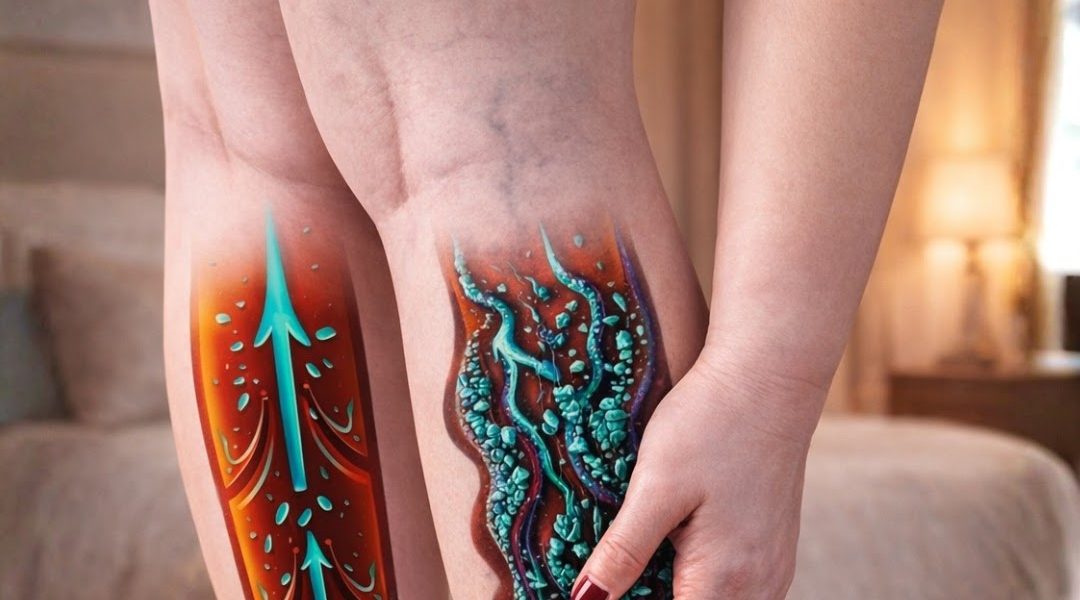


Poor circulation is more common than many people realize. If you often experience cold feet, numbness, tingling, swollen legs, or visible veins, your circulatory system may not be working as efficiently as it should. Blood circulation is essential because it delivers oxygen and nutrients to every cell in your body and removes waste products. When blood flow slows down, the body can show clear warning signs.
Fortunately, improving circulation often doesn’t require complicated treatments. Simple daily habits can make a significant difference. Below are six easy lifestyle changes that may help support better blood flow and healthier veins.
1. Move Your Body Every Day
One of the most powerful ways to improve circulation is regular physical activity. Exercise strengthens the heart and blood vessels, allowing blood to move more efficiently throughout the body. Activities like walking, cycling, swimming, or yoga stimulate the muscles in your legs, which help pump blood back toward the heart.
Even short bursts of movement throughout the day can help. If you spend long hours sitting at a desk or standing in one place, try to:
-
Take a short walk every hour
-
Stretch your legs and ankles
-
Do simple calf raises or light squats
These movements activate the calf muscles, often called the “second heart” of the body, because they help push blood upward from the legs.
2. Elevate Your Legs Regularly
Gravity can cause blood to pool in the lower legs, especially if you sit or stand for long periods. This can lead to swelling, heaviness, and varicose veins over time.
A simple solution is to elevate your legs above heart level for about 15–20 minutes a day. This helps blood return to the heart more easily and reduces pressure on the veins.
You can try this by:
-
Lying on the couch with your legs supported by pillows
-
Resting your legs on a wall while lying on the floor
-
Using a footrest while sitting
This small habit can help relieve tired legs and support healthy circulation.
3. Stay Hydrated
Water plays a major role in circulation. Blood is largely composed of water, so dehydration can make it thicker and harder to pump.
Drinking enough fluids helps maintain healthy blood volume and keeps the circulatory system functioning smoothly.
Experts often recommend:
Hydration also helps reduce swelling and improves overall vascular health.
4. Improve Your Diet for Better Blood Flow
What you eat has a major impact on your circulation. Diets high in processed foods, salt, and unhealthy fats can contribute to high blood pressure, plaque buildup, and restricted blood vessels.
Instead, focus on foods that support vascular health, such as:
-
Leafy greens
-
Citrus fruits
-
Berries
-
Fatty fish like salmon
-
Nuts and seeds
-
Whole grains
These foods contain nutrients that help reduce inflammation and keep blood vessels flexible. Antioxidants and omega-3 fatty acids, in particular, are known to support healthy circulation.
5. Wear Compression Socks When Needed
Compression socks gently squeeze the legs to help blood move upward toward the heart. They are commonly recommended for people who:
Compression garments provide support for the veins and can help reduce discomfort and swelling.
However, it’s best to choose the correct size and consult a professional if you have underlying health conditions.
6. Avoid Smoking and Reduce Harmful Habits
Smoking is one of the most damaging habits for blood vessels. The chemicals in cigarettes can damage artery walls, reduce oxygen levels in the blood, and make circulation problems worse.
Other habits that may harm circulation include:
Improving these areas of your lifestyle can help protect both your heart and vascular system.
Common Signs of Poor Circulation
If you’re unsure whether your circulation needs attention, watch for these common symptoms:
-
Cold hands or feet
-
Numbness or tingling
-
Swelling in the legs or ankles
-
Muscle cramps when walking
-
Visible veins or varicose veins
-
Slow wound healing
These symptoms occur when blood doesn’t reach certain areas of the body effectively.
If they persist or worsen, medical evaluation may be necessary.
Final Thoughts
Healthy circulation plays a crucial role in overall wellness. When blood flows efficiently, every organ and tissue in the body receives the oxygen and nutrients it needs to function properly.
The good news is that improving circulation often starts with simple daily habits:
Small changes can gradually support healthier veins, warmer feet, and better overall vitality.