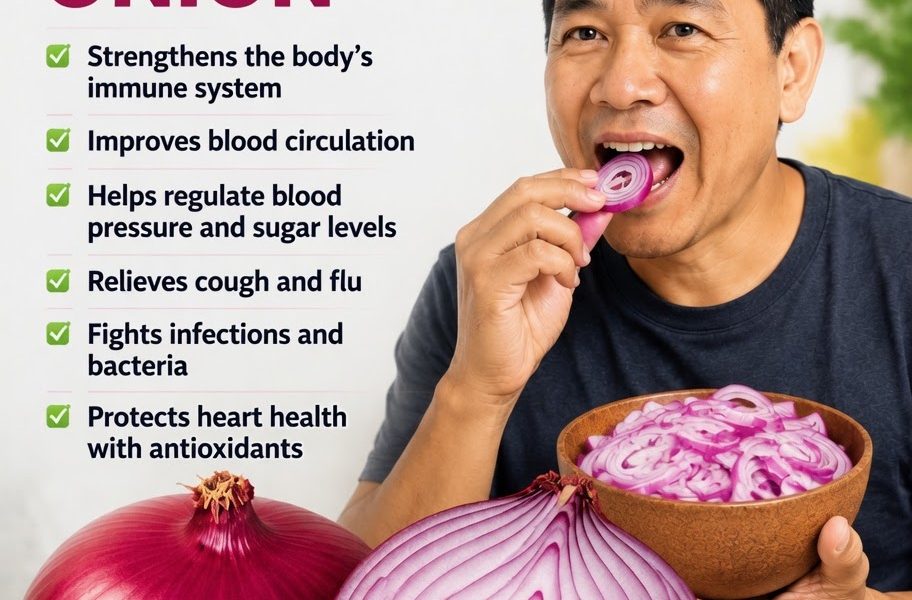


Red onions are more than just a colorful kitchen ingredient. Packed with antioxidants, vitamins, minerals, and plant compounds, they may support heart health, digestion, immunity, and overall wellness when included regularly in a balanced diet. Studies and nutrition experts highlight that red onions are especially rich in quercetin and anthocyanins — two powerful antioxidants linked to many health benefits.
What Makes Red Onions So Healthy?
Red onions belong to the Allium family, which also includes garlic, shallots, and leeks. They contain fiber, vitamin C, potassium, sulfur compounds, and antioxidant flavonoids that help protect the body from oxidative stress.
One of the reasons red onions stand out is their deep purple-red color, which comes from anthocyanins — natural antioxidants associated with heart and cellular health.
Red onions contain compounds that may help reduce inflammation, support healthy cholesterol levels, and improve blood circulation. Quercetin, one of the key antioxidants in onions, has been studied for its potential role in supporting blood pressure balance and cardiovascular wellness.
Some studies suggest that regular onion consumption may help reduce LDL (“bad”) cholesterol and triglycerides, both of which are linked to heart disease risk.
Potential Heart Benefits of Red Onions:
- May support healthy blood pressure
- Helps fight oxidative stress
- Supports better circulation
- May help reduce inflammation
- Contains heart-friendly antioxidants
Red onions are loaded with antioxidants that help protect cells from free radical damage. These antioxidants include:
- Quercetin
- Anthocyanins
- Sulfur compounds
- Vitamin C
Antioxidants are important because oxidative stress is associated with aging and many chronic health conditions.
Compared to white or yellow onions, red onions generally contain higher levels of anthocyanins, making them especially beneficial for antioxidant support.
Red onions contain prebiotic fibers such as inulin, which feed beneficial gut bacteria. A healthy gut microbiome plays an important role in digestion, nutrient absorption, and immune function.
Regular intake of fiber-rich vegetables like onions may also help:
- Promote regular bowel movements
- Support healthy digestion
- Reduce constipation risk
- Improve gut balance
Some research suggests that compounds found in red onions may help support healthy blood sugar levels. Chromium, quercetin, and sulfur-containing compounds are believed to play a role in glucose metabolism and insulin sensitivity.
While onions are not a replacement for medical treatment, adding them to a balanced diet may support metabolic health.
Red onions contain vitamin C and bioactive compounds that may help support immune defenses. Their antioxidant and antimicrobial properties may help the body respond better to environmental stressors and seasonal illnesses.
Traditional home remedies have also used onions for:
- Cough relief
- Congestion support
- Cold and flu comfort
- Respiratory wellness
Thanks to their antioxidant content, red onions may help protect skin cells from oxidative damage associated with premature aging.
Some natural wellness enthusiasts also use onion juice in DIY hair care routines because onions may help:
- Support scalp circulation
- Improve hair strength
- Reduce excessive hair shedding
- Enhance shine and texture
Chronic inflammation is linked to many long-term health concerns. The flavonoids and sulfur compounds in red onions may help support the body’s natural anti-inflammatory response.
This is one reason why diets rich in vegetables like onions are often associated with better overall wellness.
Red onions can be enjoyed both raw and cooked. However, some nutrients and antioxidants may be better preserved when eaten raw.
Easy Ways to Add Them to Your Diet:
- Slice into salads
- Add to sandwiches and wraps
- Mix into guacamole or salsa
- Roast with vegetables
- Include in soups and stews
- Pickle for a flavorful topping
If raw onions taste too strong, soaking them briefly in water with vinegar may help soften the flavor.
Although red onions are healthy for most people, some individuals may experience:
- Bloating
- Gas
- Acid reflux
- Digestive discomfort
People with onion allergies, gastritis, IBS, or reflux may need to limit intake.
Red onions are an affordable, flavorful, and nutrient-rich food that can support many aspects of health. From heart wellness and digestion to immunity and antioxidant protection, this everyday vegetable offers impressive nutritional value.
Adding red onions to a balanced diet may be a simple way to support your daily well-being naturally.